Danny Reyes
Lead Installer — Hardwood Specialist
Best Flooring for Radiant Heat Systems in PA & NJ
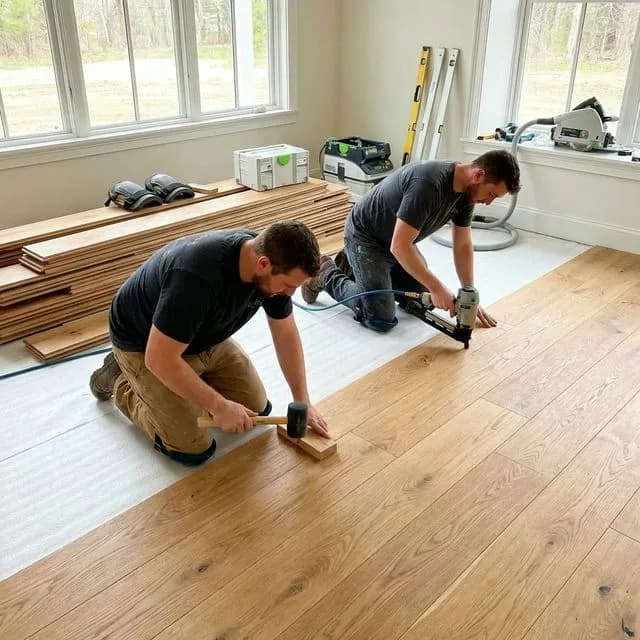
Radiant floor heating is becoming more common in PA and NJ homes, especially in new construction, bathroom remodels, and basement finishing projects. The warmth underfoot is incredible, but the heating system puts specific demands on your flooring that most homeowners do not think about until it is too late. We have installed flooring over hydronic and electric radiant systems throughout the Lehigh Valley and northern New Jersey, and we have seen firsthand what works, what fails, and what the manufacturers do not tell you.
How Radiant Heat Affects Your Flooring
A radiant heat system warms the floor surface from below, typically maintaining a temperature between 75 and 85 degrees Fahrenheit at the floor surface. That constant warmth creates two challenges for flooring materials.
First, the heat accelerates moisture loss in natural materials. Wood flooring dries out faster over radiant heat, which means more contraction, more gapping, and more stress on the joints. This is why solid hardwood performs poorly and engineered hardwood is the better choice.
Second, the heat can affect adhesives, backing materials, and click-lock mechanisms if the temperature exceeds the material's rated threshold. Most LVP products are rated to a maximum surface temperature of 80 to 85 degrees. Go above that and you risk warping, softening, or adhesive breakdown.
The good news is that with the right flooring choice and proper installation, radiant heat and beautiful flooring coexist perfectly.
Best Flooring Options for Radiant Heat (Ranked)
Based on our installation experience across hundreds of radiant heat projects, here is how we rank the options.
1. Porcelain and Ceramic Tile
Tile is the gold standard for radiant heat from a performance standpoint. It conducts heat better than any other flooring material, warms up fast, and retains heat when the system cycles off. Tile does not expand, contract, or degrade from the heat. If maximum heating efficiency is your priority, tile is the answer.
The downsides are well known: tile is cold when the system is off (which matters during power outages or system maintenance), it is hard underfoot, and installation costs more than LVP or engineered hardwood. We install tile over radiant heat most often in bathrooms and entryways where the tile look makes design sense.
2. Engineered Hardwood
Engineered hardwood is our top recommendation for living rooms, dining rooms, and bedrooms with radiant heat. The cross-grain plywood core handles the thermal cycling far better than solid wood. We glue engineered hardwood directly to the subfloor over radiant heat using a urethane adhesive that bonds well and acts as a minor sound barrier.
Key specs to look for: a minimum 4mm wear layer, a plywood core (not HDF, which can swell with moisture), and manufacturer approval for radiant heat installation. Not all engineered hardwood is rated for radiant. Check the spec sheet or ask us and we will confirm before you buy.
3. Luxury Vinyl Plank (LVP)
LVP works very well over radiant heat as long as two conditions are met: the surface temperature stays below 85 degrees, and the system uses a floor-temperature sensor. LVP is thin (typically 4 to 7mm), which means heat transfers through it efficiently. It does not expand or contract much with temperature changes, and the waterproof core is unaffected by the heat.
We install LVP over radiant heat in basements, kitchens, and main living areas across Allentown, Bethlehem, and Easton. The material cost is lower than engineered hardwood, and installation is faster. For budget- conscious homeowners who want a warm floor with a wood look, LVP over radiant heat is hard to beat.
4. Laminate (With Caution)
Some laminate flooring is rated for radiant heat, but we install it less frequently for this application. Laminate's HDF core is more sensitive to heat and moisture than LVP's SPC core or engineered hardwood's plywood core. If you go with laminate, choose a product explicitly rated for radiant heat with a maximum surface temperature of at least 80 degrees, and use the recommended underlayment.
Flooring to Avoid Over Radiant Heat
Some flooring materials are poor choices for radiant heat, and we decline these installations to protect our clients and our reputation.
- Solid hardwood: Too much expansion and contraction. Gaps form in winter, boards cup in summer. We have pulled up solid hardwood over radiant systems where every single board had visible gaps after one heating season.
- Thick carpet with heavy padding: Acts as insulation, blocking heat from reaching the room. The system works harder, energy bills go up, and the floor beneath the carpet can overheat.
- Bamboo: Most bamboo flooring is more sensitive to temperature and humidity changes than standard hardwood. It gaps and cracks over radiant heat in our climate.
- Cork: Natural cork is an insulator by design. It blocks radiant heat from reaching the room efficiently. The exception is cork-backed floating floors used as underlayment, which are thin enough to allow heat transfer.
Installation Requirements for Radiant Heat
Installing flooring over radiant heat involves several extra steps that standard installations do not require. Here is what we do on every radiant heat project.
Commission the System First
The radiant heat system must run at operating temperature for at least 14 days before we install anything. This drives residual moisture out of the concrete slab and brings it to a stable condition. Skipping this step is the most common cause of flooring failure over radiant heat.
Moisture Testing
We perform calcium chloride moisture tests after the commissioning period. The slab must read below 5 pounds per 1,000 square feet for most flooring installations. Radiant heat can mask moisture issues by driving water deeper into the slab temporarily, so testing after the system has been running is critical.
Verify the Temperature Sensor
The radiant system must have a floor-temperature sensor, not just a room thermostat. A room thermostat alone can overheat the floor because it keeps calling for heat until the air reaches the set temperature, even if the floor surface is already past the flooring's maximum. A floor sensor shuts the system down when the surface temperature hits the limit. If your system lacks a floor sensor, we recommend having your HVAC contractor add one before we install.
Proper Adhesive Selection
For glue-down installations over radiant heat, we use urethane adhesives rated for heated subfloor applications. Standard adhesives can soften or fail at elevated temperatures. The adhesive selection alone can be the difference between a floor that stays bonded for 20 years and one that pops loose after the first winter.
Gradual Temperature Ramp-Up
After installation, we instruct homeowners to increase the radiant system temperature by no more than 5 degrees per day until reaching the desired setting. This slow ramp-up allows the flooring to adjust gradually. Turning the system to full heat immediately after installation is a recipe for gaps, buckling, or adhesive failure.
Costs: What to Expect in PA and NJ
The flooring material itself costs the same whether it goes over radiant heat or not. The added cost is in the installation process. Here is what the premium looks like:
- LVP over radiant heat: $6 to $11 per square foot installed (vs. $5 to $10 standard)
- Engineered hardwood over radiant heat: $9 to $16 per square foot installed (vs. $8 to $14 standard)
- Porcelain tile over radiant heat: $9 to $16 per square foot installed (vs. $7 to $14 standard)
The premium comes from the commissioning coordination, moisture testing, specialized adhesives, and the slower, more careful installation process. For a 500-square-foot living room, expect to add $500 to $1,500 to the total project cost compared to a standard installation.
Hydronic vs. Electric Radiant: Does It Matter for Flooring?
Both hydronic (hot water) and electric radiant systems work with the same flooring options. The difference is in how they deliver heat.
Hydronic systems circulate hot water through tubing embedded in or below the slab. They heat more evenly, run more efficiently for whole-house applications, and are standard in new construction. Most of the radiant heat projects we install flooring over in Bethlehem and Easton are hydronic.
Electric systems use heated cables or mats installed just below the flooring surface. They heat up faster but cost more to operate. They are most common in bathroom remodels and single-room additions. Electric mats are thinner, so they do not raise the floor height as much.
From a flooring perspective, the key variable is the same for both: the maximum surface temperature. As long as the system keeps the floor below 85 degrees for LVP or the manufacturer's recommended limit for engineered hardwood, the flooring performs the same regardless of the heat source.
Our Recommendation for PA and NJ Homeowners
If you have radiant heat or are planning to add it, here is what we recommend based on room type:
- Bathrooms: Porcelain tile. Maximum heat transfer and a natural fit for the space.
- Living rooms and bedrooms: Engineered hardwood for a premium feel, LVP for a budget-friendly option. Both perform well.
- Basements: LVP or engineered hardwood, depending on moisture levels. LVP is safer if there is any history of water issues.
- Kitchens: LVP for waterproofing and ease of maintenance, or tile for maximum durability.
We install flooring over radiant heat throughout Lehigh County, Northampton County, Bucks County PA, and Bergen County NJ. If you want to discuss your specific system and get a recommendation tailored to your home, reach out for a free consultation or use our cost calculator for a quick estimate.
Explore Our Related Services
About the Author
Lead Installer — Hardwood Specialist
Certified: NWFA, EPA RRP
Danny has been with VM Power since 2014 and leads our hardwood division. He specializes in wide-plank installations and custom patterns — herringbone, chevron, borders — the work most crews won't touc...
You Might Also Like
Engineered Hardwood Flooring: Complete Buying Guide for PA & NJ
Engineered hardwood is the most popular hardwood we install in the Lehigh Valley and northern NJ. Here's what to look fo...
Read: Engineered Hardwood Flooring: Complete B… Cost GuideHow Much Does Flooring Installation Cost in 2026? Complete Price Guide
Tired of vague price ranges from sites that have never swung a hammer? Here are real, local flooring costs pulled from p...
Read: How Much Does Flooring Installation Cost… Buying GuideBest Flooring Options for Kitchens, Bathrooms & Basements
We've pulled up enough warped hardwood and moldy carpet from basements to know exactly which flooring belongs in wet are...
Read: Best Flooring Options for Kitchens, Bath…